Calculate the full sample cost
Start with product cost and add packaging, shipping and any agreed production payment. Keep these costs separate from affiliate commissions and advertising. This gives the team a clearer view of what each approved sample represents before making a volume commitment.
Set a manageable first cohort
Choose a starting group that your team can brief and follow up with properly. There is no universal sample quantity that works for every brand. Product price, inventory and how easily it can be demonstrated all influence the pace. Begin with a defined experiment rather than an arbitrary large target.
Separate approval from delivery
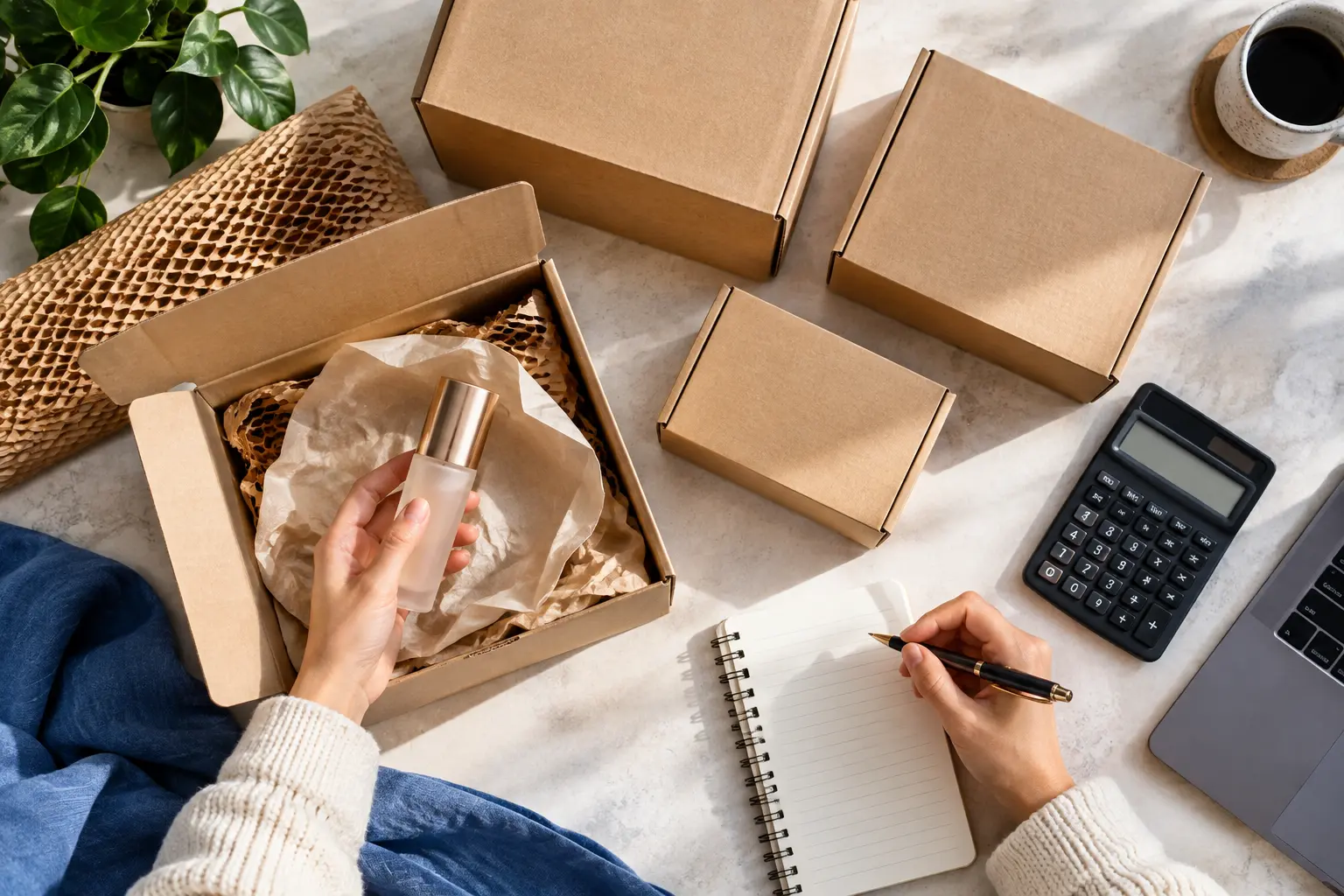
Track requests, approvals, shipments, delivery and published content as different stages. This helps distinguish a shipping problem from a posting problem. Platform sample workflows and deadlines can change, so check the current Seller Center guidance when establishing the process.
Evaluate content and commercial value
A sample can produce useful content without immediately generating a sale. Record both outcomes. Review the quality and usability of the content, then examine available product clicks and attributed orders. Do not combine all of these into one vague success label.
Increase volume after resolving bottlenecks
If products are arriving but content is not, more approvals may simply enlarge the backlog. Investigate creator selection, briefing and follow-up first. When the process is working, expand the next cohort while keeping the same level of tracking and accountability.
Platform reference: TikTok Shop Academy: managing samples. Review current platform guidance before implementation.
This guide provides a planning framework, not a promise of campaign performance.
Turn the plan into practical work.
Explore how Ecom Ride can support the next step for your brand.
Explore the related service ↗